Carton and CBM / 5 min read
How to Calculate Soap Cartons and CBM Before Importing
A practical SAULEM guide to carton dimensions, pieces per carton and cubic-meter estimates before an international soap buyer requests freight.
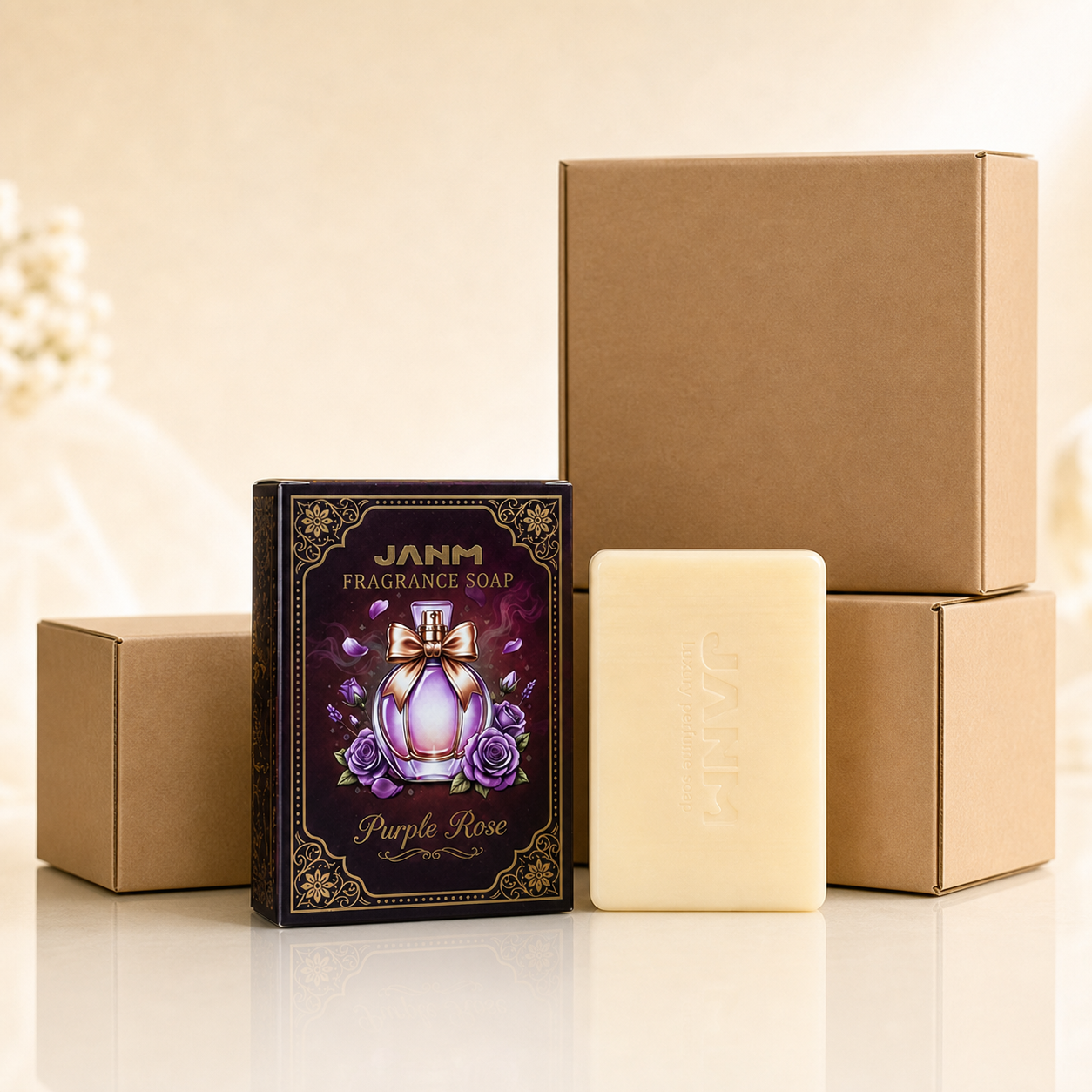
CBM begins with the packed carton
Freight planning should start from the outside carton, not the soap bar. Record carton length, width and height in millimetres, calculate cubic volume, then multiply by the planned carton count.
Send logistics-ready quantities
A freight request becomes useful when it includes pieces, cartons, carton dimensions, destination and whether the estimate is for a full container, LCL or a courier sample. The supplier can then confirm the packed figure rather than guess.
MOQ and quantity rules
Quantity is a commercial input that must be confirmed for the selected product, packaging level and market.
Do not copy a quantity rule from another product family into an OEM or mixed-product quotation.
Carton and CBM planning
200g fragrance and fruit soaps use carton size 380 x 250 x 300 mm, 72 pcs/carton, with about 35 cartons per 1 m3.
Golden Grape soap uses carton size 615 x 415 x 390 mm, 66 pcs/carton, with about 10 cartons per 1 m3; Gold Bar soap uses carton size 390 x 230 x 260 mm, 20 pcs/carton, with about 42 cartons per 1 m3. Use only the product family relevant to the shipment estimate.
Market recommendation
Match the assortment to the actual sales environment. Retail needs quick recognition and repeatability; gifting needs presentation and seasonal planning; hotels need replenishment logic; distributors need products that can be explained and reordered by SKU.
The first order should stay readable: choose products by channel role, then confirm quantity, carton count, market, packaging questions and contact channel before asking for a price.
Common buyer mistakes
The most common mistakes are asking only for a unit price, ignoring carton size, sending quantities that do not match order steps, mixing too many SKUs without a shelf role, or requesting OEM packaging before clarifying the target market and order size.
A stronger inquiry explains what the buyer wants to sell, where it will be sold, how many pieces are planned, whether packaging is standard or OEM, and which channel should receive the reply.
Inquiry checklist
Before requesting a quote, prepare product names or categories, target market, quantity, packaging needs, city or country, buyer role and a reply channel. For OEM or private label, add label language, visual direction and whether the order is a test or repeat program.
Send one complete message, ask which assumptions need confirmation, and keep the supplier's reply with the order record. A clear request is more valuable than a longer request.
FAQ
Q: Can I ask for only one SKU? A: Yes, but distributors usually compare several SKUs so the first order has a clearer shelf strategy.
Q: Why do wholesale orders use quantity steps? A: Quantity steps usually follow carton, handling and quotation logic; the exact rule must be confirmed for the selected product.
Q: Can standard products be tested before private label? A: Often yes, and testing can reduce the risk of committing to custom packaging before the channel is understood.
Q: Are carton and 1 m3 numbers final freight data? A: They are planning references. Final freight should be confirmed after packed order details are reviewed.
Q: What is the fastest way to receive a useful quote? A: Send product names, legal quantities, target market, packaging needs and WhatsApp or Telegram contact in one message.
Next step
Turn the article into a one-page buying note: selected channel, product role, quantity, carton estimate, open questions and the evidence that will trigger a reorder.